
Age of Learner: Ages 22+ (adult)
-
Cultivating a Repair Mindset Toolkit
The Repair Mindset Toolkit, which was developed and tested by educators, includes teaching and learning strategies, tactics, and classroom materials designed to develop students’ Repair Mindset. The toolkit presents new approaches to thinking routines, invites and complements discussions of the environment (e.g., Circular Economy), economics (e.g., extractive capitalism), politics (Right to Repair), ethics (e.g., social…
-
Opportunities and Vignettes for Library Makerspaces
This white paper was informed by the participants of the National Forum on Research and Assessment in Library Makerspaces. The focus on research and assessment in library makerspaces came about from a collection of needs and problems of practice: 1) for practitioners to better access and incorporate research into their work; 2) for researchers to…
-
Shaping Educator Learning Communities-A Quick Guide
This quick guide is produced for anyone invested in supporting teacher learning and development. Whether you’re an administrator or non-profit partner, the intention of this guide is to focus your attention as a prospective learning community leader on concrete needs of in-school educators.
-
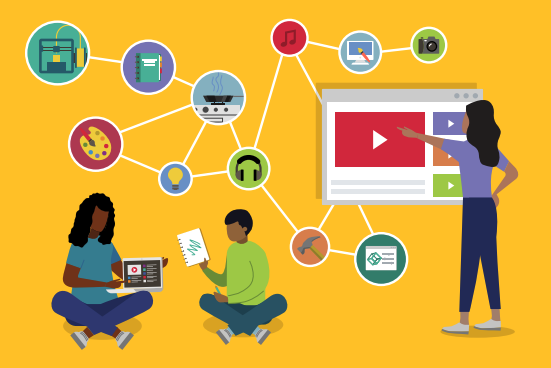
The State of Maker Learning Today
The State of Maker Learning Today is a collaborative report from Digital Promise and Maker Ed highlighting key insights from educators throughout the United States, spotlighting stories from the field, and offering recommendations for the future of maker learning.
-
Transforming Public Education with Making and Digital Fabrication
The white paper, entitled Transforming Public Education with Making and Digital Fabrication, summarizes the history of the maker movement, the current status of maker education and projects a path forward to adoption, quality, and sustainability related to broadening participation in STEM, and more specifically digital fabrication and making. The paper is framed in equity-based story-telling…
-
The Maker Educator Assessment Rubric
This rubric is designed for educators to identify where they are within stages of development along four categories of pedagogy: Goals, Planning Activities & Lessons, Planning Learning Progressions, Facilitation, and Development & Assessment.
-
The Big Book of Computing Pedagogy
This comprehensive guide includes articles and teaching resources covering various hands-on approaches to computing pedagogy.
-
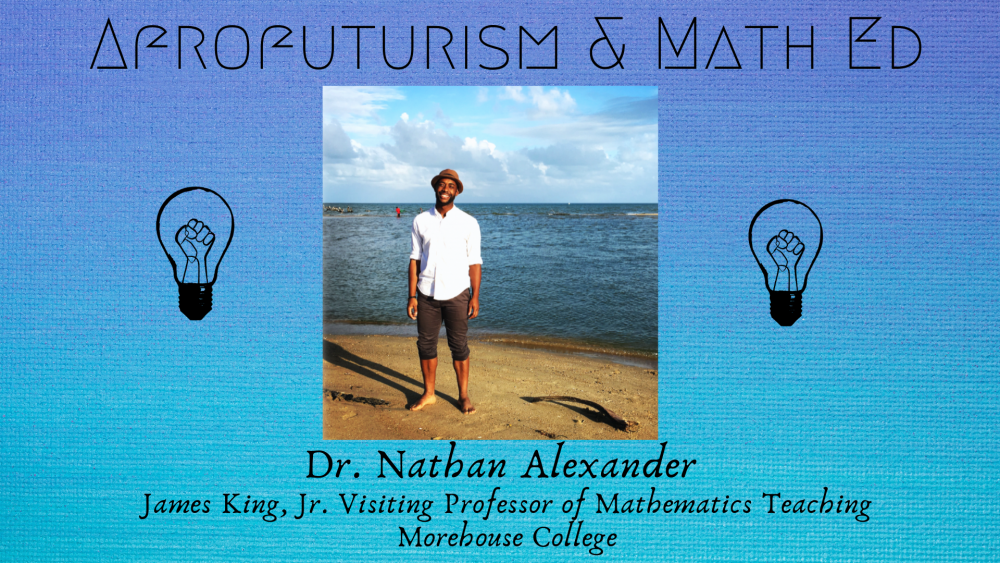
Afrofuturism and Math Ed
In this podcast, Dr. Nathan Alexander talks about Afrofuturism, Black futurity, and how he connects these concepts to mathematics education.
-
Culturally Responsive Continuous Improvement
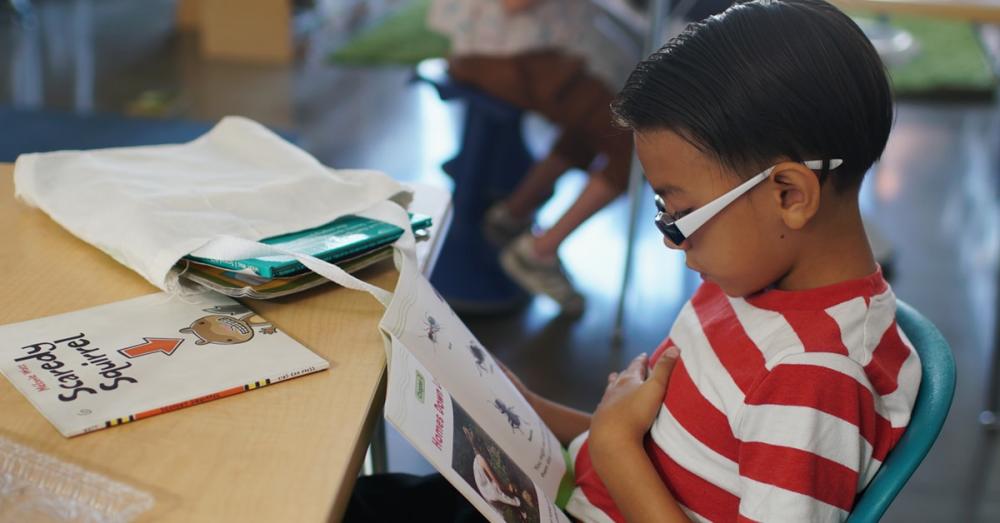
In this article, High Tech High GSE’s Director of Liberation, Dr. Michelle Pledger, describes how she is turning continuous improvement into an instrument of liberation.
-
Tla’amin Basket Weaving: Coding and Indigenous Teaching
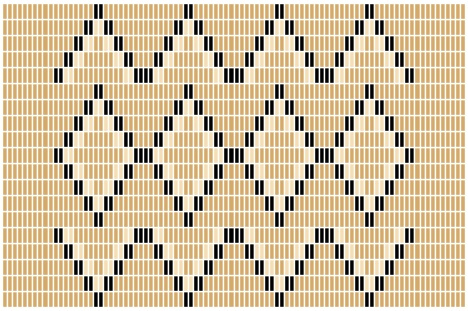
This teacher blog post details a rich hands-on activity that integrates coding and indigenous basket weaving, replete with links to additional resources and contexts.